
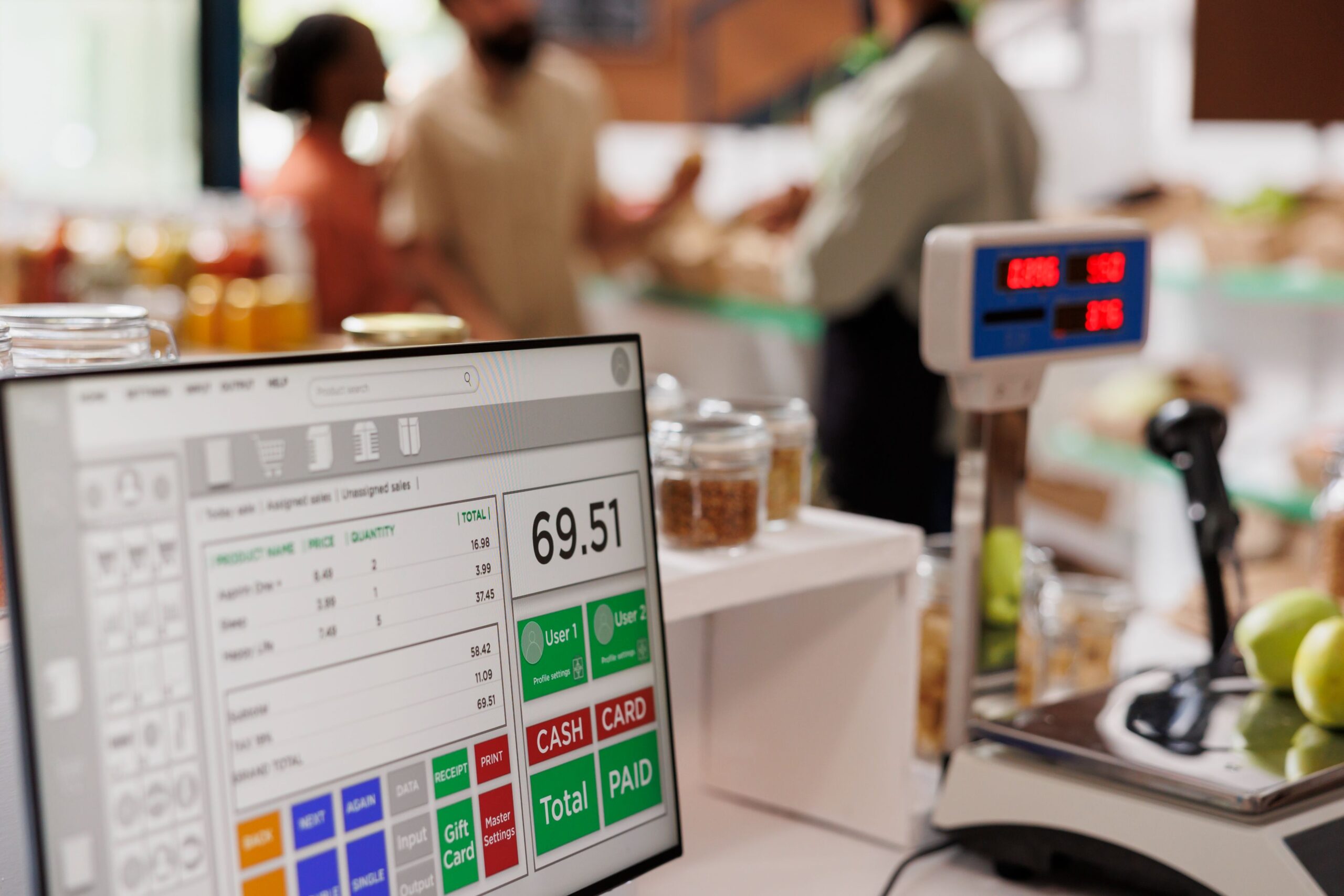
In today’s retail landscape, the Point of Sale (POS) system isn’t just a cash register; it’s the heart of business operations, pulsating with data, transactions, and customer interactions. Imagine this: you’re at your favorite cafe, and with just a swipe, tap, or insert of your card, your order is placed, your loyalty points are updated, and your receipt is in your inbox. This seamless process doesn’t happen by magic; it’s the result of a finely tuned POS management system. In this article, we delve into what makes a POS management system tick, its components, its benefits, and how it can transform customer experiences and operational efficiency.
What is a Point of Sale Management System?
Before diving into the gears and sprockets of POS management, let’s set the stage with a clear definition.
A Point of Sale (POS) Management System is a combination of software and hardware that retailers use to conduct sales. Think of it as the digital and physical space where the transaction happens. But it’s more than just a transaction point; it’s a hub of activity that includes inventory management, customer management, and analytics.
Components of a POS System
- Hardware: This includes the physical components like tablets, barcode scanners, cash drawers, and receipt printers.
- Software: The program that runs the POS, managing inventory, sales reporting, customer data, and more.
- Payment Processing: The tools and services that allow a business to accept and process payment from credit, debit cards, or digital wallets.
The Unsung Heroes of Retail: Key Features of POS Systems
A robust POS system is like a Swiss Army knife for businesses, packed with tools and features to tackle almost every retail challenge.
Inventory Management
Imagine never having to disappoint customers with an “out of stock” sign again. Here’s how POS systems make this possible:
- Real-time tracking of inventory levels
- Automated reordering based on predetermined thresholds
- Detailed reports on bestsellers and slow-moving items
Customer Relationship Management (CRM)
In the digital age, personalization is king. POS systems help businesses treat every customer like royalty through:
- Loyalty programs that reward repeat customers
- Personalized marketing based on purchase history
- Easy management of customer information and preferences
Sales Reporting and Analytics
Knowledge is power, especially in retail. POS systems offer:
- Instant access to sales data and trends
- The ability to identify peak sales periods and adjust staffing accordingly
- Insight into margin and profitability by product or category
The Transformative Impact of POS Systems on Business Operations
Integrating a POS system isn’t just about modernizing the checkout process; it’s about reimagining the entire business operation.
Efficiency at the Checkout
A streamlined checkout process means shorter lines, happier customers, and a more efficient use of staff time. It’s about making every transaction as smooth as sailing on a calm sea.
Enhanced Customer Experience
By integrating CRM features, businesses can offer a tailored shopping experience, boosting customer loyalty and encouraging repeat visits.
Informed Decision Making
With access to detailed analytics, businesses can make informed decisions about inventory, staffing, and marketing strategies, driving growth and profitability.
Navigating Challenges: What to Consider When Choosing a POS System
Choosing the right POS system is crucial. Here are a few considerations to guide your voyage:
- Compatibility with existing systems
- Scalability as your business grows
- The learning curve for staff
- Security features to protect customer data
Conclusion: The Checkout Line is Just the Beginning
The evolution of POS systems has been nothing short of revolutionary, transforming not just how transactions are conducted but reshaping the entire retail experience. By adopting a POS management system, businesses can streamline operations, enhance customer relations, and make informed decisions that drive success.
“In an era where customer experience dictates success, a robust POS system is not just an option; it’s a necessity.”
In the ever-changing retail landscape, staying ahead means embracing innovation, and a state-of-the-art POS system is the cornerstone of this approach. Whether you’re a small cafe or a sprawling retail chain, mastering the art of POS management is your ticket to a smoother operation and a brighter future.
While I can’t provide external links or specific studies, I encourage readers to explore POS system providers and software reviews to find the solution that best fits their business needs. An informed choice is the first step toward transforming your point of sale into a point of success.